



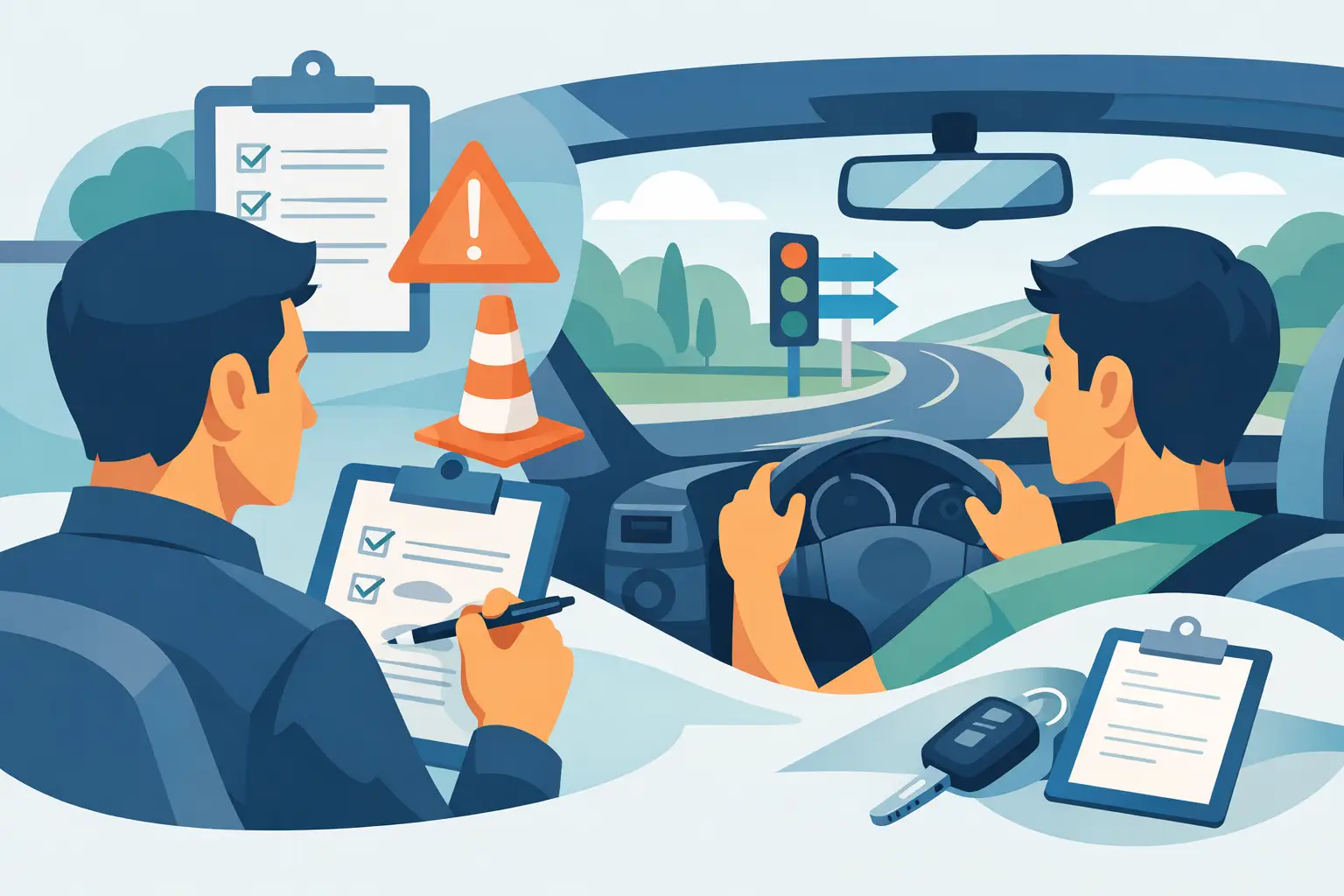
The first time many learners sit a proper assessment, it is not the driving that gets them – it is the pressure. Hands feel tighter on the wheel, simple checks get missed, and a routine turn suddenly feels harder than it should. That is exactly why mock driving tests matter. They give you a realistic practice run before the real assessment, so you can settle your nerves, understand what is expected, and build confidence under test conditions.
For many Perth learners, the problem is not a complete lack of skill. It is inconsistency. You might drive well during a lesson, then make avoidable mistakes when you know someone is marking every move. A mock test helps close that gap. It gives you a clearer picture of how you drive when the pressure is on, which is often the difference between feeling almost ready and actually being ready.
What mock driving tests actually do
A mock test is more than a normal driving lesson with a stricter tone. It is a structured practice assessment designed to mirror the real test as closely as possible. That means you are asked to drive independently, respond to instructions clearly, manage everyday traffic situations, and show safe decision-making without constant coaching.
The value is in the realism. During a regular lesson, your instructor might step in early, remind you about checks, or talk you through a tricky section. During a mock test, that support is reduced so you can experience what test day feels like. That can be uncomfortable at first, but it is useful discomfort. It shows where your habits are strong and where they fall away under pressure.
For nervous drivers, this kind of preparation can be a turning point. Once you have been through a realistic test run, the real assessment no longer feels unknown. You have already dealt with the nerves, the silence in the car, the need to think ahead on your own, and the pressure of being observed.
Why mock driving tests help learners in Perth
Perth roads can vary a lot depending on where you drive. Quiet suburban streets, school zones, busy roundabouts, changing speed limits, and multi-lane traffic all require different judgement. A mock test gives you the chance to practise these situations in a way that reflects actual test expectations, rather than just casually driving through them.
That matters because passing is not only about vehicle control. It is also about showing safe awareness. Can you read the road early? Do you choose the correct lane in time? Are your head checks clear and consistent? Do you keep calm when something changes suddenly? These are the things that often separate a confident pass from a frustrating fail.
A local driving school that understands Perth conditions can make mock testing even more useful. Familiarity with local road types, common trouble spots, and the level of decision-making expected in practical assessments means the feedback is more relevant. It is not generic advice. It is advice you can actually use on the roads where you are learning.
What usually comes up during a mock test
Most learners already know the obvious basics. They know they need to indicate, stop properly, obey speed limits, and steer smoothly. What catches people out is the detail. A mock test often highlights smaller issues that can quietly build up and cost you on test day.
A common one is observation. Learners may check mirrors, but not at the right times, or they may rush head checks before changing lanes or moving away from the kerb. Another issue is speed control. Some drive too slowly when nervous, which can be just as problematic as pushing over the limit. Others hesitate too long at roundabouts or intersections because they are second-guessing themselves.
Parking can also become harder under pressure. Something you can normally do well may unravel when you know it is being assessed. The same goes for following instructions. Learners sometimes focus so hard on the next manoeuvre that they stop scanning the road properly.
That is why realistic practice matters. It exposes the mistakes that only appear when you feel tested.
Mock driving tests are not just for beginners
There is a common assumption that mock tests are only for very inexperienced learners. In reality, they are often most helpful for people who are close to test standard but not quite consistent enough yet. If you already have the basic skills, a mock test can sharpen your decision-making and show exactly what needs attention before booking the real thing.
They are also helpful for adults returning to driving, overseas licence holders adjusting to local conditions, or learners who have failed a test before and want to rebuild confidence. After an unsuccessful attempt, many drivers become more tense and self-critical. A calm mock assessment can help reset that mindset. Instead of guessing what went wrong, you get practical feedback and a clearer path forward.
What to expect from the feedback
Good feedback should be clear, honest, and useful. The goal is not to make you feel worse about mistakes. The goal is to help you understand why they happened and how to fix them.
After mock driving tests, most learners benefit from hearing which parts of their driving are already strong and which parts need more work. That balance matters. If you only hear what went wrong, confidence can drop. If you only hear encouragement, important issues can get missed. A supportive instructor will give both – reassurance where you are doing well, and direct guidance where improvement is needed.
The best feedback is specific. Rather than saying you need to be more careful, it should identify the exact habit, such as missing a final mirror check before braking, turning too early at intersections, or waiting too long to commit at a roundabout. Specific feedback leads to specific improvement.
When to book a mock test
Timing makes a difference. If you book a mock test far too early, the result may simply confirm that you still need basic development. That is not always a bad thing, but it is usually more valuable once you can already drive safely through a range of traffic situations with limited prompting.
For most learners, the right time is in the lead-up to the practical test, when the main goal is refinement rather than starting from scratch. A mock test can then show whether you are genuinely ready or whether another lesson or two would improve your chances.
Some learners do well with more than one. The first mock test reveals the weaknesses. The next one checks whether those issues have actually improved. That second run often brings a big confidence lift because progress is easier to feel when you can compare your performance under the same kind of pressure.
How to get the most from mock driving tests
The best approach is to treat the mock test seriously. Turn up as you would for a real assessment. Be rested, arrive on time, and come prepared to drive without relying on prompts. That mindset helps create the pressure you need to practise managing.
It also helps to stay open to feedback, even if it is frustrating to hear. Many learners hope a mock test will simply confirm they are ready. Sometimes it does. Sometimes it shows a few habits still need work. That is still a good result, because it is far better to uncover those problems in practice than on the real test.
If nerves are your biggest issue, say so. A supportive instructor can structure the session in a way that prepares you for the emotional side of test day as well as the technical side. At North East Driving School Perth, that confidence-building approach is a big part of helping learners feel calm, capable, and ready when it matters most.
The real benefit is confidence you can trust
There is a difference between hoping you will pass and feeling prepared because you have already proven to yourself that you can handle test conditions. Mock driving tests help build that kind of confidence. Not false confidence based on one good lesson, but steady confidence built on realistic practice, clear feedback, and repeatable driving habits.
If you are close to test day, a mock test can save you from going in unsure. If you are still building experience, it can show you what to focus on next. Either way, it gives you something every learner needs before sitting the real assessment – a calmer head, a clearer plan, and a better sense of control behind the wheel.
A licence changes daily life, but the habits you build on the way to it matter even more. The more prepared you feel before test day, the easier it is to drive safely, think clearly, and give yourself a fair chance when it counts.