



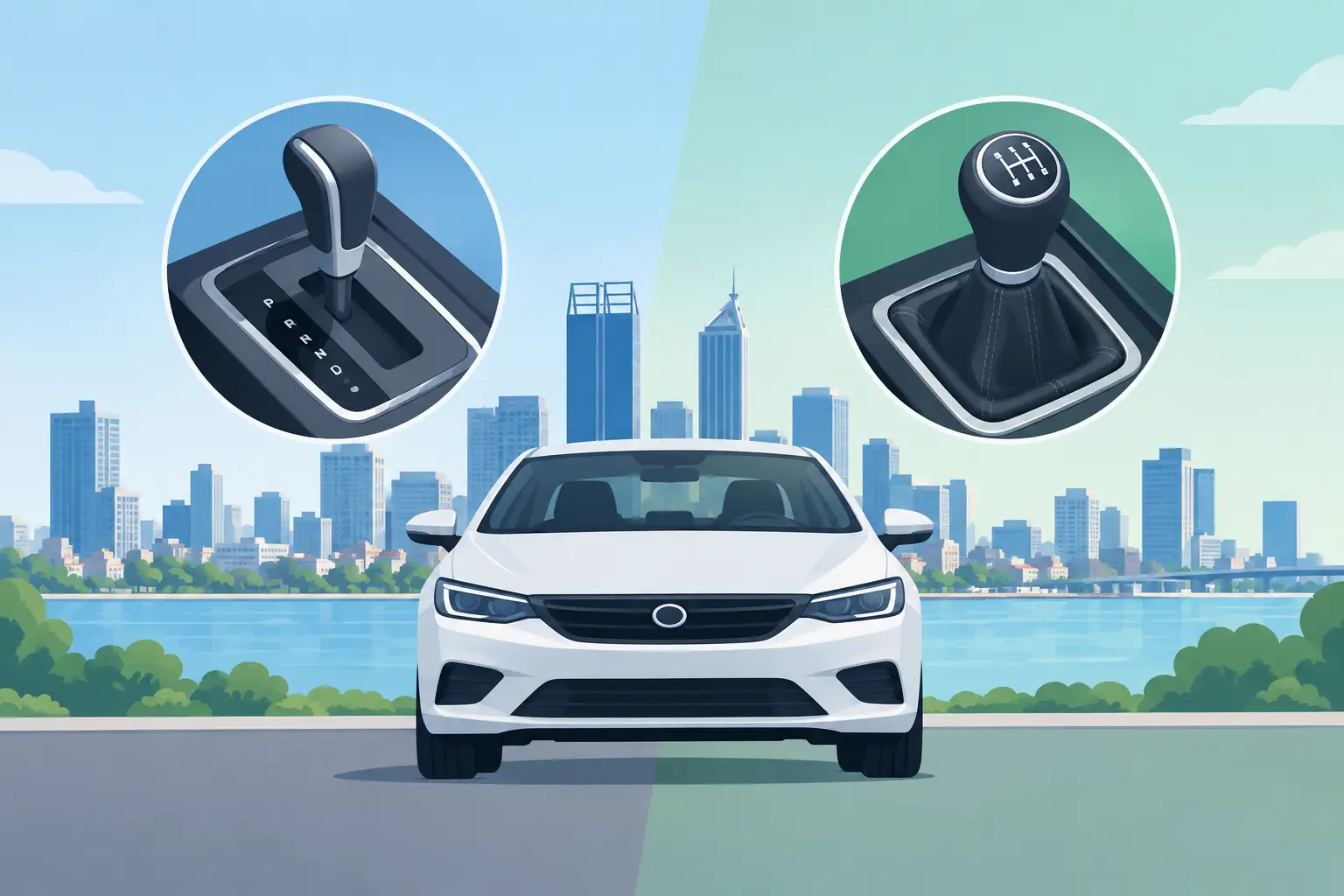
For many learner drivers, choosing an automatic versus manual licence Perth option feels like the first big decision before lessons even begin. The right choice is not about which licence is “better” for everyone. It is about what will help you learn safely, build confidence and drive the type of vehicle you realistically need after you pass.
If you are nervous about driving, have limited time to practise or expect to drive an automatic car, an automatic licence can be a practical path towards independence. If you may need to drive a manual vehicle for work, family or future travel, a manual licence may give you more flexibility. Understanding the difference early can save stress, money and a last-minute change of plan before your Practical Driving Assessment.
Automatic versus manual licence Perth: the key difference
In Western Australia, the type of vehicle you use for your driving test affects the licence you receive. If you pass your Practical Driving Assessment in an automatic vehicle, your licence will carry an automatic condition. This means you can drive automatic vehicles, but not manual vehicles, unless you later complete a practical assessment in a manual car.
If you pass your test in a manual vehicle, you can drive both manual and automatic cars. That wider permission is the main reason some learners choose to learn manual from the start.
Neither pathway changes the standard expected on the road. You still need to show that you can observe properly, manage intersections, follow road rules, control the vehicle, park safely and make sensible decisions in changing traffic conditions. The difference is the amount of vehicle control you need to manage while doing all of that.
Why many Perth learners choose an automatic licence
Automatic cars remove the need to operate a clutch and select gears. For a new driver, that can free up attention for the parts of driving that matter most every day: checking mirrors, judging gaps, scanning for pedestrians, keeping a safe following distance and responding calmly at roundabouts and busy intersections.
Perth driving can involve a mix of quiet suburban streets, school zones, main roads and stop-start traffic. In an automatic, you are less likely to worry about stalling at lights or finding the right gear on a hill. This can make early lessons feel more manageable, especially for anxious learners or adults returning to driving after a long break.
Automatic lessons are also a sensible choice when the car available at home is automatic. Regular practice between lessons makes a genuine difference. If you learn in an automatic and can practise in the same style of vehicle with a supervising driver, you may progress more steadily than if you are trying to learn manual without regular access to one.
For many people, automatic is not the easier option in a negative sense. It is simply the option that lets them focus sooner on becoming a safe, aware and controlled driver.
Automatic may suit you if you want to:
You may be well suited to an automatic licence if you expect to drive an automatic car, want to work towards your test with less mechanical pressure, or feel that clutch control could add to your anxiety. It can also be a good fit if you need a clear, structured route to getting your licence and want to concentrate on road awareness from your first lesson.
Most newer passenger vehicles are automatic, so an automatic condition will suit plenty of drivers long term. Before deciding, though, think beyond the test day. Consider the vehicles used by your household, your likely work plans and whether you might need to borrow a manual car in the future.
What to consider before choosing manual
Learning manual takes more practice because you are coordinating the clutch, gears, accelerator and brake while watching the road. At first, it can feel like there is a lot happening at once. Starting on hills, moving away smoothly and handling slow traffic all require patience and repetition.
The benefit is flexibility. A manual licence allows you to drive a broader range of vehicles, including manual cars, utes and some work vehicles. This can matter if your family owns a manual vehicle, if a future job may involve driving one, or if you simply want the option to drive either transmission.
Manual learning can also build a strong feel for how a vehicle responds. However, it is not automatically the best choice just because it offers more options. If manual driving is causing you to become overwhelmed, lose focus on hazards or avoid practising, it may slow your progress. Safe driving is always more valuable than choosing the more challenging transmission for the sake of it.
A good instructor can help you assess whether manual is realistic for your goals. Some learners pick it up quickly and enjoy the extra skill. Others make faster, more confident progress in an automatic. Both outcomes are completely valid.
Think about your real driving life, not just the test
The best decision usually becomes clearer when you look at what happens after you pass. Ask yourself what car you will drive most often. If your parents, partner or household have an automatic vehicle and that is where you will get your supervised practice, automatic may be the straightforward choice.
It is also worth considering your employment plans. Some roles in trades, deliveries, field work or regional travel may still involve manual vehicles. That does not mean every learner heading towards those industries needs to learn manual immediately, but it is a factor worth discussing early.
Budget and timing matter as well. Because manual driving requires more skills to practise, some learners may need additional lessons before they are test-ready. This varies greatly from person to person. A learner who practises regularly and enjoys manual may progress well, while another person may reach a safe test standard sooner in an automatic.
There is no prize for rushing into a test before you feel prepared. The goal is to earn your licence with the confidence to drive independently and responsibly after the assessor is no longer in the passenger seat.
Can you change from automatic to manual later?
Yes. Choosing an automatic licence now does not permanently close the door on manual driving. If your circumstances change, you can take a practical assessment in a manual vehicle to have the automatic condition removed from your licence.
This can be reassuring for learners who need their licence sooner or who do not currently have access to a manual car. You can focus on gaining safe experience in an automatic, then build manual skills later if work, travel or family needs make it worthwhile.
The reverse is also true in a practical sense: if you begin manual lessons and find that they are not right for you at this stage, you can switch to automatic lessons. It is better to make an informed change than to continue feeling stuck or discouraged.
Preparing for your chosen driving test
Whichever option you choose, your preparation should cover more than the basic manoeuvres. A strong learner driver practises observation, road positioning, speed management, hazard awareness and decision-making in different traffic conditions. You need to become comfortable with the vehicle, but you also need to show safe judgement.
Pre-test lessons and mock assessments can be particularly helpful if you are unsure whether you are ready. They give you a chance to identify habits that may affect your result, such as missed head checks, late braking, rushed turns or hesitation at intersections. A calm instructor can explain what to improve and help you practise it without pressure.
At North East Driving School Perth, lessons are focused on helping learners gain control and confidence at their own pace. Whether you choose automatic or manual, the aim is the same: to help you develop safe habits that stay with you well beyond the driving test.
If you are still undecided, start with the vehicle you can practise in most often and the driving goals you have right now. A licence is the beginning of your driving experience, so choose the path that helps you feel calm, capable and ready for the road.