


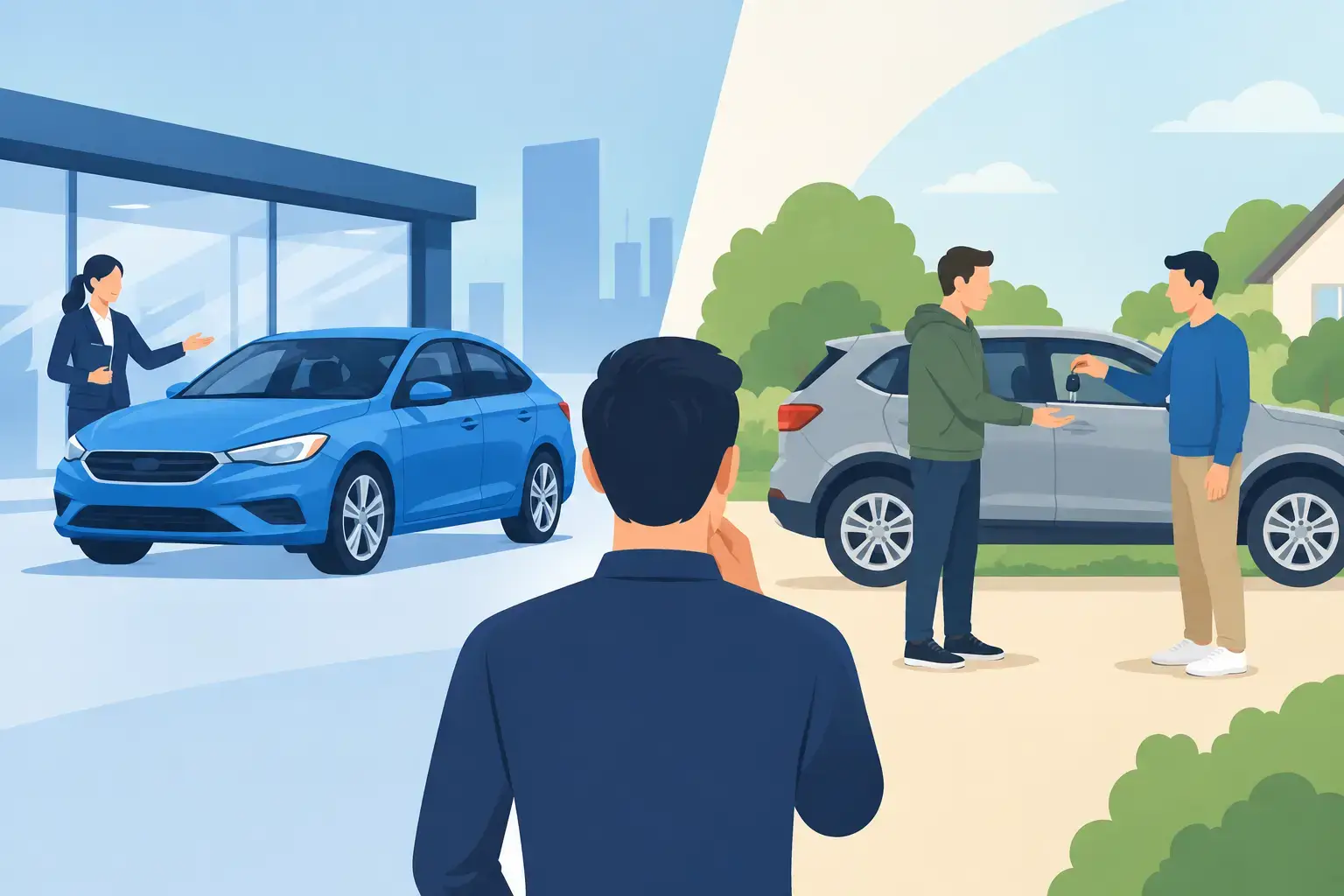
A practical driving test can feel very different depending on the car waiting at the kerb. When weighing up test car hire versus borrowing, the best choice is usually the one that gives you the most control, comfort and time to focus on the road – not on an unfamiliar vehicle or a last-minute problem.
For many Perth learners, borrowing a parent’s or friend’s car seems like the easy option. It may be familiar, available and less expensive upfront. Hiring a driving school car can offer a calmer, more prepared experience, particularly if you have practised in that vehicle with an instructor. Neither option is automatically right for everyone. The key is to choose early, practise properly and make sure the car is suitable for the test.
Test car hire versus borrowing: the real difference
The main difference is not simply who owns the car. It is how prepared you feel when you get behind the wheel.
A borrowed car may already feel like home if it is the car you drive every week. You know where the indicators are, how much pressure the brakes need and how the steering responds at roundabouts. That familiarity can lower nerves and help your driving feel natural.
But borrowing can also create pressure. The owner may need the car, be worried about small mistakes or be unavailable on the day. If the car has a mechanical issue, warning light, damaged tyre or paperwork concern, you may be left scrambling for another option. Even a change as small as a different car seat position can distract an anxious learner.
A hired test car through a driving school is usually prepared for learner use and set up for safe instruction. If you have completed lessons and a pre-test session in the same car, you can arrive knowing its controls and handling. An instructor can also help you settle in, check your positioning and give you a final chance to practise before your appointment.
When borrowing a car makes sense
Borrowing can be a very good choice when the vehicle is reliable, available and genuinely familiar to you. If you have had regular supervised practice in your family car, using it for the test may help you feel relaxed and confident.
It can also be the more affordable path where there are no extra hire costs. This matters for learners who have already had enough lessons, completed a mock test and are comfortable managing the car independently. Saving money is sensible, provided it does not mean cutting corners on preparation.
Before relying on a borrowed vehicle, have an honest conversation with the owner. Confirm it will be available for your test time, including travel time to and from the licensing centre. Check that the car is registered, roadworthy and insured for a learner driver to use. Make sure there is enough fuel, the tyres are in good condition, the lights and indicators work, and the vehicle is clean enough for you to see clearly through all windows and mirrors.
You should also ask yourself one simple question: have I practised in this exact car recently? A car that is familiar in theory but has not been driven for months can still throw you off. Brake sensitivity, visibility, steering weight and parking reference points vary more than many learners expect.
Borrowing is less ideal when the car adds pressure
A borrowed car may not be your best option if it is large, difficult to park or has controls you are still learning. For example, a big SUV or ute can be safe and suitable, but only if you have enough practice judging its size, checking blind spots and completing manoeuvres in it.
It may also be harder if the person lending the car is stressed. Test-day nerves can spread quickly. If someone is rushing you, worrying aloud about their car or changing plans at the last minute, it can take your attention away from safe driving.
Why hiring a test car can build confidence
Test car hire is often chosen by learners who want a straightforward plan for test day. You arrive in a vehicle that is intended for learner driving, with an instructor who understands what you have been practising and where you may need a reminder before the assessment begins.
For nervous drivers, this consistency matters. A calm pre-test drive gives you time to check mirrors, adjust your seat, practise smooth braking and get settled before meeting the assessor. Rather than trying to learn a new car on the morning of your test, you can focus on scanning ahead, choosing safe gaps and following road rules.
A driving school vehicle may also have dual controls, which can provide reassurance during the lesson or warm-up drive. During the assessment itself, your job remains the same: demonstrate that you can drive safely, legally and independently. The benefit is that you start from a more familiar and supported place.
At North East Driving School Perth, learners can combine a pre-test lesson with car hire for the driving test. This can be especially helpful if you have been learning in the instructor’s automatic car and do not have access to a suitable vehicle at home. It keeps your preparation simple and avoids asking family or friends to rearrange their day.
Hire is not a substitute for practice
Hiring a car will not fix a lack of driving experience. If you are still uncertain at roundabouts, struggle to check mirrors consistently or need frequent prompts to maintain safe speed and spacing, more practice is likely to help more than changing cars.
The same applies if you have never driven the hire car before. Book a lesson or mock test first. Learn the controls, practise parking reference points and get used to its acceleration and braking. The goal is for the car to feel familiar well before test day.
Compare the costs beyond the hire fee
It is easy to look only at the price of car hire and decide that borrowing is cheaper. Sometimes it is. But cost should include the risk of a cancelled plan, the stress of arranging pickup, extra fuel, and the possibility that the borrowed car is not ready when you need it.
Hiring may cost more upfront, but it can include a planned pre-test drive and a vehicle you have already used during lessons. For some learners, that extra certainty is worth it. For others, a reliable family car and regular practice provide exactly the same confidence at a lower cost.
Think about your own situation rather than choosing based on what another learner did. A confident driver who uses their parent’s small automatic every week may be better off borrowing. A learner who has practised mainly with an instructor, does not have a consistent home car or feels anxious about relying on others may find hire is the smarter investment.
How to make the right choice before test day
Decide on your vehicle at least a few weeks before the test, not the night before. Once you have chosen, complete several drives in that car across the situations likely to appear in your assessment: suburban streets, busy intersections, roundabouts, parking, lane changes and school-zone awareness where relevant.
If you are borrowing, arrange a backup plan in case the owner is unwell or the car becomes unavailable. If you are hiring, confirm your booking time, licensing centre location and whether you will have a pre-test lesson. In either case, do a final vehicle check early enough to solve any issue without panic.
The most suitable car is one you can operate safely without thinking about every control. You should be able to adjust your seat and mirrors quickly, use indicators and wipers confidently, judge the brakes smoothly, and keep your attention on hazards rather than the dashboard.
Give yourself the calmest possible start
Passing your test is about safe decisions, good observation and controlled driving. The car should support those skills, not become another worry to manage. Whether you borrow a familiar family vehicle or hire the car you have trained in, choose the option that lets you begin your test feeling prepared, steady and ready to show what you can do.
A little planning now can give you a much calmer drive on the day – and that confidence is worth bringing with you every time you take the wheel.