



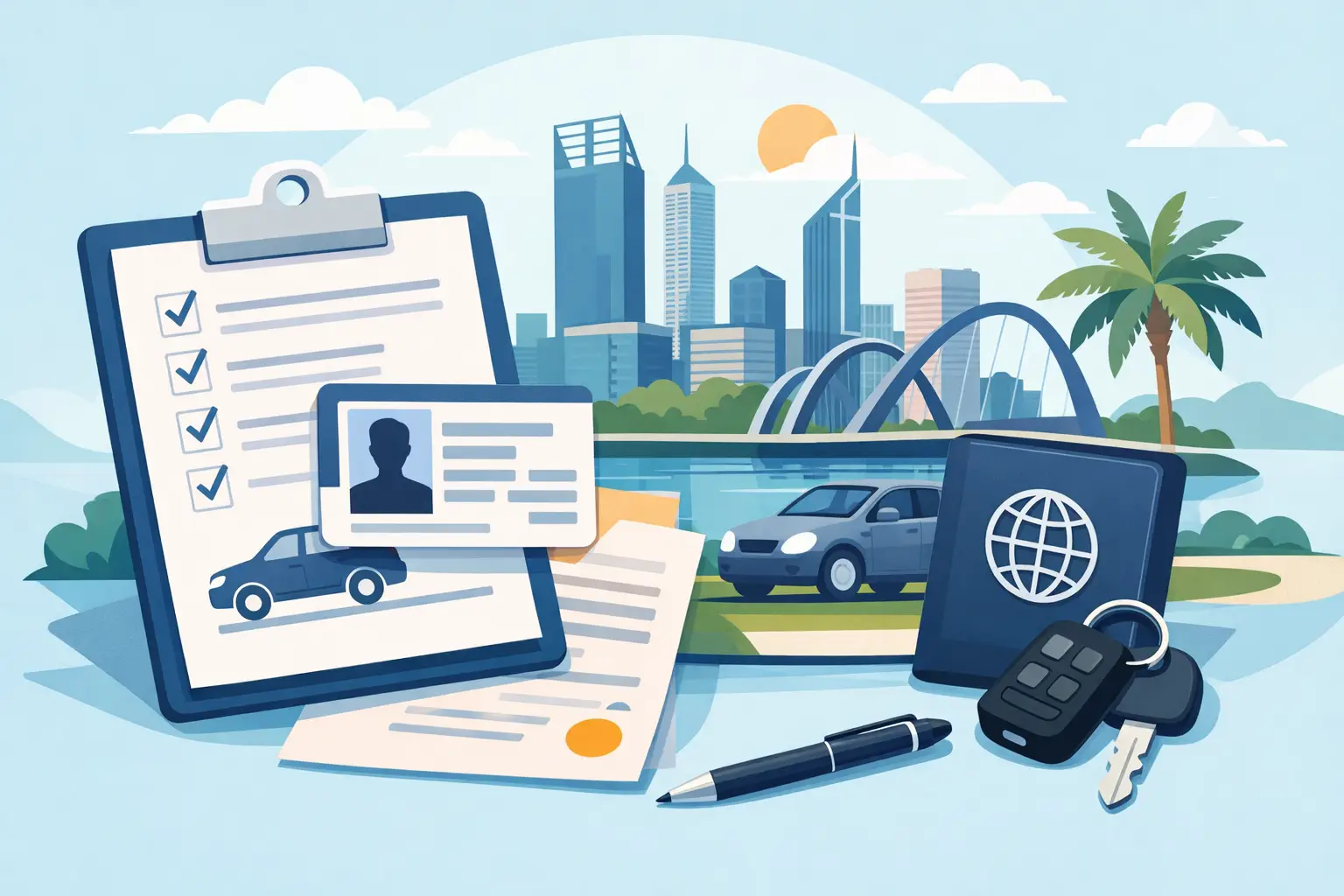
Turning up ready to drive, then finding a document is missing, is a stressful way to start a practical driving assessment. Your test day documents may not be the hardest part of getting your licence, but they can decide whether your test goes ahead. A quick check the day before gives you one less thing to worry about, so you can focus on driving safely, calmly and with control.
For learner drivers in Perth, the best approach is simple: keep your important items together, check your booking details, and do not rely on a photo on your mobile as a replacement for an original document. Requirements can vary depending on your licence situation, so always follow the instructions provided with your Department of Transport booking.
Test Day Documents: Your WA Checklist
Most learners should have their valid WA learner’s permit ready before leaving home. This is the key document that shows you are authorised to sit your practical driving assessment. Check that it is current, readable and in your wallet or bag – not left in another pair of jeans, a school bag or at home on the kitchen bench.
You should also have any paperwork connected with your learner requirements, especially if you have been instructed to bring it. For many first-time licence applicants, this may include a completed learner log book or confirmation that the required supervised driving experience has been recorded and accepted. In Western Australia, learners generally need to complete the required minimum driving hours, including night driving, before progressing to the practical test stage.
Your booking confirmation or booking reference is also worth having with you. It may be on your mobile, printed out, or written down somewhere safe. While it is not a substitute for your learner’s permit, it can help you confirm the assessment time, location and any instructions attached to your booking.
If you wear glasses or contact lenses to meet your eyesight condition, bring them. This is not paperwork, but it is just as important as your documents. If your permit has a condition requiring corrective lenses, you need to wear them for the assessment. Forgetting them can stop the test from going ahead.
Where your name has changed or your personal details do not match across documents, bring the relevant official supporting documents. For example, this could apply after a marriage or legal name change. It is far easier to carry the evidence than to have a last-minute issue at the licensing centre.
Keep originals with you
A screenshot, a photo of your learner’s permit or a message saying you have booked the test may not be accepted as proof of identity or authority to drive. Keep original documents in a slim folder, wallet or clear sleeve and put them somewhere you will not forget.
A good habit is to pack them straight after your final practice drive. That way, your test morning is not spent searching through drawers while your nerves build.
Documents and Checks for the Test Vehicle
Your documents are only one part of being ready. The vehicle used for your practical driving assessment must also be suitable, safe and legal to drive. If you are using your own car or a family member’s car, check this before test day rather than hoping everything is fine.
The vehicle should be registered, roadworthy and fitted with working lights, indicators, brake lights, windscreen wipers and a clear windscreen. It needs enough fuel for the assessment, tyres in safe condition, and L plates displayed correctly. The assessor may not proceed if the vehicle has a safety issue or does not meet the required standard.
If you are using a driving school vehicle or booking car hire for your test, ask what is included. A properly prepared test vehicle can take pressure off your shoulders because the basic vehicle checks, controls and L plates are handled for you. It does not remove the need to bring your own learner’s permit, glasses or any personal documents, though.
At North East Driving School Perth, learners can combine a pre-test lesson with vehicle hire, giving them time to settle in, practise the local test area and arrive in a car they already know how to operate.
Do not leave the vehicle check until the car park
A quick look around the car on test morning is useful, but it should not be your first inspection. Check the night before that the fuel level is adequate, the tyres look properly inflated, and no warning lights are showing on the dashboard.
Make sure you know where the demister, headlights, indicators, hazard lights and windscreen wipers are. You may feel more nervous than usual on the day, so familiar controls make a real difference.
A Simple Plan for the Night Before
The most confident learners are not always the ones who have never felt nervous. They are usually the ones who have prepared for the parts they can control. Create a small test-day folder or pouch and place it next to your keys.
Include your learner’s permit, booking details, glasses if needed, and any supporting documents you have been asked to bring. If you are taking a log book or other records, check that they are complete, legible and stored safely. Do not make changes in a rush unless you are certain they are accurate.
Then confirm the address and travel time to the licensing centre. Perth traffic, roadworks and busy school zones can turn a short trip into a late arrival. Aim to arrive early enough to park, settle your breathing and check that you have everything before you walk in.
Avoid cramming too much practice into the night before. A short, calm review of common test skills is usually more useful than an exhausting drive. Think about head checks, safe gaps, speed control, smooth braking, observation at intersections and keeping a safe space around your car.
What Happens If You Forget Something?
If you realise before leaving home that your learner’s permit or essential documents are missing, stop and fix the problem first. Rushing to the appointment without what you need can create more stress and may mean the assessment cannot proceed.
If you only notice once you arrive, speak calmly with licensing centre staff and explain the situation. They can tell you what options are available, but do not assume an exception can be made. Assessment bookings are time-specific, and missing identification or a required licence document can lead to a cancelled or forfeited appointment.
The same applies if the test car has a problem. A blown light globe, flat tyre, damaged windscreen or missing L plates can quickly derail your plans. This is why many learners choose a pre-test lesson and car hire option – it gives them a familiar vehicle and a final chance to identify any issues before the assessment begins.
Your Documents Matter, but Your Driving Matters More
Having the right paperwork gets you to the start line. Passing comes from showing safe, controlled driving decisions throughout the assessment. The assessor will be looking at how you observe, respond to traffic, manage speed, position the car and follow the road rules – not whether every manoeuvre feels perfect.
Bring your documents, arrive early and give yourself a few quiet minutes before the test. You have already done the learning. Now let your preparation support your confidence and give yourself the best chance to drive the way you know you can.